Medical red flags
Leg Swelling Red Flags: When Puffy Legs Need Medical Care
Leg swelling is common, but certain symptoms require urgent medical care. Key red flags include sudden swelling, one-sided swelling, localized pain, redness, or warmth, as well as chest pain or shortness of breath. While mild puffiness can stem from prolonged standing or high sodium, severe or asymmetric leg swelling can indicate underlying circulatory, venous, or lymphatic conditions that demand immediate professional evaluation.
This article is educational and not medical advice. For full site policies and medical disclosures, please review our Medical Disclaimer.
Leg swelling—often referred to clinically as edema—is a common issue that many people experience at some point in their lives. From sitting on a long flight to standing all day at work, occasional tightness in the lower legs or feet can feel uncomfortable. However, not all swelling is created equal. Knowing how to distinguish between temporary fluid buildup and serious leg swelling red flags is essential for protecting your overall vascular and systemic health.
In this guide, we break down critical warning signs that require immediate emergency evaluation, common underlying causes of lower limb fluid accumulation, practical steps for supporting your circulatory system, and how to safely approach dietary supplements.
Understanding Leg Swelling: Mild vs. Urgent
To better navigate your leg health, it is helpful to understand how fluid moves through the body. Your circulatory system pumps nutrient-rich blood down into your lower extremities through arteries, while veins and the lymphatic system work against gravity to pump fluid back up toward the heart. When this complex drainage and return mechanism encounters a bottleneck, fluid can collect in the tissues of the calves, ankles, and feet.
Mild fluid buildup often develops gradually. You might notice subtle tissue indents from your socks after a long day at a desk, or experience mild swollen ankles at night. In these routine situations, the swelling usually affects both legs equally (symmetrical swelling) and subsides after resting, elevating your feet, or moving around.
By contrast, urgent leg swelling frequently appears suddenly or affects only one side of the body. Severe fluid accumulation can signal issues within the deep veins, heart, kidneys, liver, or lymphatic system. Differentiating between mild water retention vs. swelling caused by structural or vascular issues is crucial for seeking timely clinical care.
Immediate Red Flags: When to Seek Emergency Medical Attention
Certain symptoms associated with leg swelling should never be ignored or waited out. If you notice any of the following critical warning signs, seek immediate emergency medical care or call local emergency services right away.
Critical Symptoms Requiring Urgent Care
- Sudden Swelling: A sudden onset of swelling, especially in a single leg or foot over a few hours, is a major red flag. This abrupt change can be a sign of acute deep vein thrombosis (DVT), a blood clot formed within a deep vein.
- One-Sided Swelling: Asymmetric fluid retention where one leg, calf, or ankle is noticeably larger than the other warrants rapid evaluation. While bilateral swelling often points to systemic factors like sodium intake or medication side effects, one-sided swelling frequently points to a localized vascular obstruction, clot, or severe venous issue.
- Pain, Redness, or Warmth: If the swollen area feels tender to the touch, unusually hot, or appears noticeably red, inflamed, or streaked, it could indicate a serious skin infection like cellulitis or a deep vascular blockage requiring immediate emergency medical care.
- Chest Pain or Shortness of Breath: If leg swelling occurs alongside chest pain, tightness, shortness of breath, coughing up blood, lightheadedness, or a rapid heart rate, call emergency services immediately. This dangerous combination of symptoms can indicate a pulmonary embolism (PE), a life-threatening condition where a blood clot breaks free from the leg veins and travels to the lungs.
Never attempt to self-treat or wait for red flag symptoms to resolve on their own. Early medical intervention saves lives and prevents long-term vascular complications.
Common Causes Behind Non-Emergency Leg Puffiness
When medical emergencies are ruled out by a qualified healthcare professional, lower limb puffiness is often linked to chronic vascular or lymphatic conditions, lifestyle factors, or prescription medications:
- Venous Insufficiency: Tiny valves inside your leg veins can weaken over time. When these valves fail to close tightly, blood pools in the lower legs, causing chronic swelling, heavy feelings, and visible varicose veins.
- Lymphatic Impairment: The lymphatic system acts as your body's cellular drainage network. If lymphatic vessels are damaged, blocked, or overwhelmed, protein-rich fluid accumulates in the tissues, leading to lymphedema. Learning lymphatic drainage basics can clarify how this drainage system operates alongside your veins.
- Medications: Certain prescription drugs, such as calcium channel blockers for blood pressure, nonsteroidal anti-inflammatory drugs (NSAIDs), corticosteroids, and certain diabetes medications, can cause secondary fluid retention as a side effect.
- Sedentary Lifestyle or Prolonged Standing: Gravity plays a major role in fluid movement. Sitting or standing still for extended periods prevents muscle contraction, which normally acts as a pump to send venous blood and lymph back toward the heart.
Daily Habits for Healthy Circulation and Leg Comfort
If your physician has evaluated your legs and ruled out urgent medical conditions, adopting supportive lifestyle habits can help promote everyday comfort and venous return:
- Elevate Your Legs: Prop your legs up above heart level for 15 to 20 minutes several times a day to assist venous blood flow using gravity.
- Stay Active: Engage in low-impact movement like walking, swimming, or cycling. The contraction of your calf muscles acts as a natural pump for your veins.
- Wear Compression Stockings: Graduated compression socks apply gentle pressure to the ankles and calves, encouraging fluid to move upward and reducing end-of-day heavy leg feelings.
- Hydrate and Watch Sodium: Drinking plenty of water helps your body balance fluids, while reducing dietary salt prevents excessive extracellular water retention.
Optional Botanical Support and Boundaries
*(Affiliate Disclosure: Healthy Legs Daily presents affiliate links. If you purchase through our links, we may earn a small commission at no additional cost to you.)*
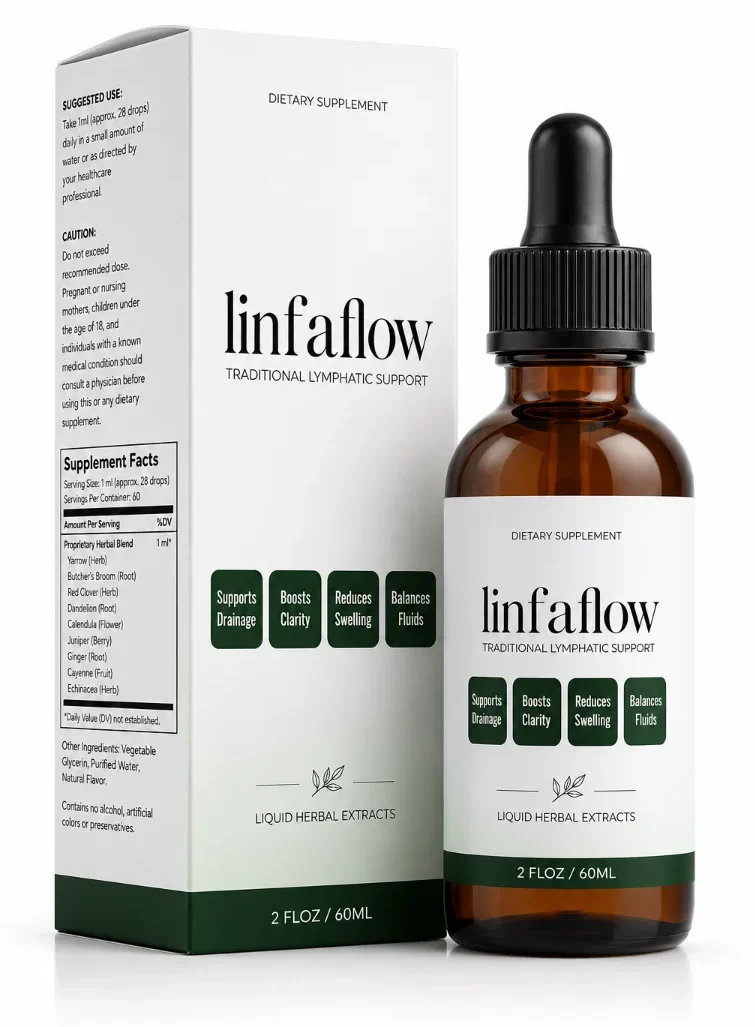
In addition to physical movement, elevation, and proper hydration, some individuals explore oral botanical supplements to support general microcirculation and leg vascular wellness. Optional supplement formulas like Linfaflow contain natural ingredients (such as citrus bioflavonoids, rutin, or butcher's broom extract) designed to provide general dietary support for blood vessel health.
However, maintaining clear boundaries is essential. A supplement is not a treatment, diagnosis or medicine. Never claim Linfaflow or any supplement fixes, reverses, prevents or removes lipedema, lymphedema, edema, swelling or fluid retention. Dietary supplements are solely intended to complement healthy lifestyle habits under the guidance of a physician. Always consult your primary care provider before adding any supplement to your routine, especially if you take prescription medications or have underlying health conditions.
Considering Linfaflow?
Affiliate disclosure: we may earn a commission if you buy through this link, at no extra cost to you. Linfaflow is a supplement, not a treatment or medicine.
These statements have not been evaluated by the Food and Drug Administration. This product is not intended to diagnose, treat, cure, or prevent any disease.
Check Today's OfferFAQ
When is leg swelling an emergency?
Leg swelling is an emergency if it occurs suddenly, affects only one leg, is accompanied by pain, redness, or warmth, or occurs alongside chest pain, shortness of breath, or dizziness.
Can a dietary supplement resolve leg edema or lymphedema?
No. A supplement is not a treatment, diagnosis or medicine. Dietary supplements do not resolve, treat, reverse, or prevent medical conditions like edema, lymphedema, or deep vein thrombosis.
What type of doctor should I see for persistent leg swelling?
Start with your primary care physician. Depending on their clinical findings, they may refer you to a vascular specialist, cardiologist, or lymphatic therapist for specialized evaluation.