Comparison
Linfaflow Alternatives: Habits, Compression, and Everyday Leg Care
A Linfaflow alternative can range from mechanical therapies like graduated compression wear and daily movement to dietary habits or other herbal botanicals. While Linfaflow offers nutritional support with herbs like horse chestnut, non-supplement strategies such as elevating your legs, walking, and wearing compression socks form the foundation of daily lower-body comfort. No supplement or habit resolve underlying clinical fluid conditions.
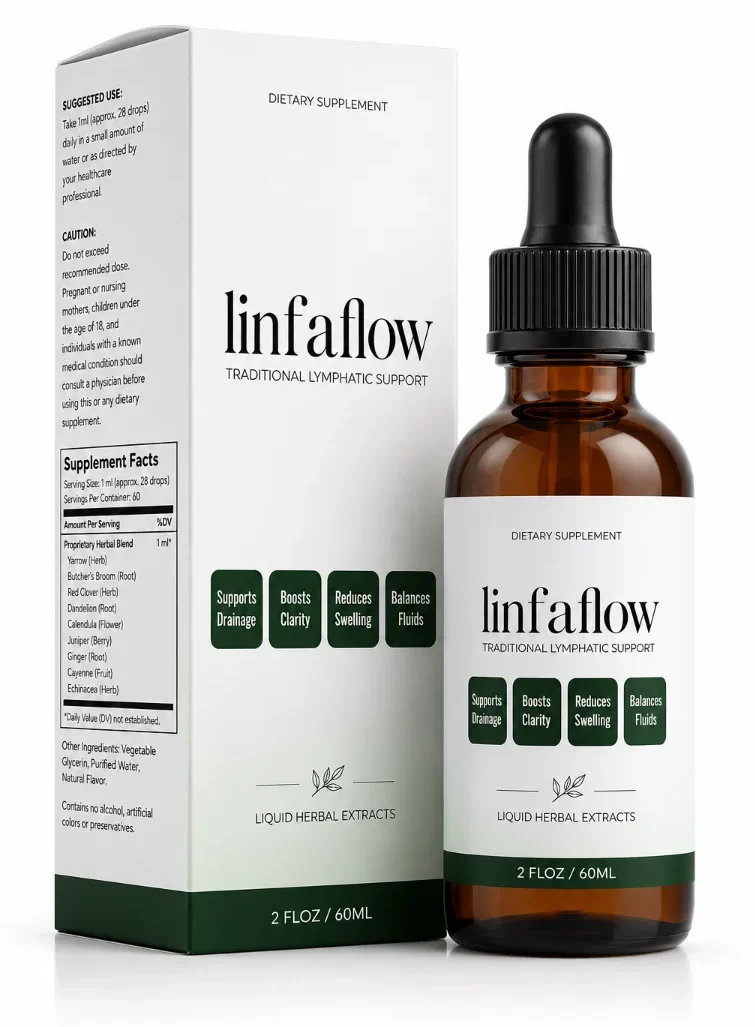
When dealing with heavy, achy, or tired legs after a long day on your feet, it is natural to search for ways to support circulation and comfort. Many people come across Linfaflow, a popular herbal dietary supplement marketed for vein and vascular nutrition. However, whether due to budget, personal preference, botanical sensitivities, or simply a desire to focus on non-ingestible methods first, exploring a Linfaflow alternative is a sensible path.
Before exploring the options, establishing essential medical boundaries is necessary. This article is educational and not medical advice. A supplement is not a treatment, diagnosis or medicine. Neither Linfaflow nor any other supplement fixes, reverses, prevents or removes lipedema, lymphedema, edema, swelling or fluid retention. If you have chronic lower-limb symptoms, your first step should always be an evaluation by a physician to establish an accurate diagnosis and ensure safe, targeted care. You can review our full medical disclaimer for additional details on how we evaluate wellness products.
*Affiliate Disclosure: Healthy Legs Daily participates in affiliate marketing programs. If you purchase through certain links on this site, we may earn a modest commission at no extra cost to you. We only highlight products that align with safe, cautious, and transparent leg wellness practices.*
Understanding Linfaflow and Why People Seek Alternatives
To identify a practical Linfaflow alternative, it helps to understand what the product is. As detailed in our comprehensive Linfaflow review, it is an oral supplement formulated with botanical extracts such as horse chestnut seed extract, butcher's broom, diosmin, and other bioflavonoids. These ingredients have traditionally been studied for their ability to support vascular tone and capillary integrity.
While some users appreciate the convenience of a daily capsule, others seek different approaches for several common reasons:
- Desire for Non-Ingestible Solutions: Many people prefer physical or mechanical interventions that do not require metabolizing herbs or navigating potential stomach sensitivities.
- Medication Interactions: Botanical ingredients can interact with prescription medications, particularly blood thinners, antiplatelets, or blood pressure drugs, making supplements unsuitable for certain individuals.
- Cost and Ongoing Commitment: Daily supplement regimens require ongoing monthly purchases, whereas lifestyle adjustments and mechanical garments like compression socks are often one-time or low-cost investments.
- Focus on Foundational Health: Supplements are merely optional add-ons. Long-term lower-body wellness depends primarily on physical movement, fluid dynamics, and cardiovascular health.
Non-Supplement Linfaflow Alternatives: Mechanical and Lifestyle Approaches
In standard clinical care, foundational therapies for lower-extremity sluggishness are non-pharmacological. Gravity constantly pulls blood and interstitial fluid downward into the feet and ankles; countering that force requires mechanical assistance rather than pills.
Graduated Compression Therapy
Graduated compression garments are widely regarded as the cornerstone of conservative leg management. Unlike oral supplements, which work systemically through digestion and the bloodstream, compression socks apply direct physical pressure from the outside.
Graduated compression works by applying the highest level of pressure at the ankle, gradually decreasing as the garment moves up toward the calf and thigh. This mechanical gradient:
- Helps narrow the diameter of distended veins, allowing internal venous valves to close more effectively.
- Counteracts hydrostatic pressure in the tissues, gently guiding lymphatic and venous fluids back toward the heart.
- Reduces the sensation of heaviness and fatigue after prolonged standing or sitting.
For readers comparing these two paths directly, our detailed guide on compression socks vs. supplements breaks down how mechanical support differs from systemic nutrition. According to clinical guidance from the NHS on lymphoedema treatment, physical methods such as decongestive lymphatic therapy and tailored compression garments help control symptoms and prevent progression, although they are not a resolve. Compression therapy must be properly fitted, especially if you have arterial disease, diabetes, or fragile skin.
Physical Movement and the Calf Muscle Pump
Your lower legs possess an internal pumping mechanism often referred to as the "second heart." When you contract your calf muscles, they squeeze the deep veins of the lower leg, pushing venous blood upward against gravity. One-way valves ensure the blood flows in only one direction.
When a person sits or stands motionless for hours, this calf muscle pump remains dormant. As a completely free, highly effective alternative to any pill, incorporating rhythmic movement throughout the day can dramatically improve lower-body comfort:
- Frequent Walking Breaks: A brief three-to-five-minute walk every hour re-engages the calf pump and stimulates both venous return and lymphatic drainage.
- Seated Ankle Pumps: If you must remain seated at a desk or on an airplane, flexing your feet upward, pointing your toes downward, and rolling your ankles activates the lower-leg musculature.
- Low-Impact Aerobic Exercise: Activities like swimming, water aerobics, and cycling provide rhythmic muscle contraction without high-impact stress on the joints. The hydrostatic pressure of pool water also acts as a gentle, natural form of whole-body compression.
Strategic Elevation
Elevating your legs above the level of your heart allows gravity to work in your favor instead of against you. Setting aside 15 to 20 minutes once or twice a day to rest with your feet propped up on pillows or against a wall encourages fluid pooled in the lower extremities to drain naturally back toward central circulation.
Dietary and Hydration Adjustments
Dietary habits have a direct influence on how tissues hold fluid. While dietary adjustments cannot resolve underlying medical conditions, they can prevent unnecessary fluid retention:
- Managing Sodium Intake: Excess dietary salt prompts the kidneys to hold onto water to maintain physiological balance. As noted by the Cleveland Clinic in their clinical overview of edema, high salt consumption can exacerbate fluid buildup in the lower limbs. Prioritizing whole, minimally processed foods reduces passive fluid pooling.
- Staying Adequately Hydrated: Restricting water intake when your legs feel heavy is a common mistake. Inadequate hydration can cause the body to conserve water, while steady, balanced fluid intake supports natural kidney function and waste elimination.
Linfaflow vs. Other Ingestible Options
If you prefer taking a supplement or have already implemented lifestyle changes and want supplemental support, several options exist within the ingestible category.
Alternative Herbal Formulations
Linfaflow relies on a specific blend of botanicals, but individual herbal extracts can often be purchased separately or in alternative multi-ingredient complexes:
- Standalone Horse Chestnut Extract (Aesculus hippocastanum): Standardized for the active compound aescin, horse chestnut is one of the most extensively researched botanicals for supporting venous tone.
- Rutin and Citrus Bioflavonoids: These antioxidant compounds are frequently used to help support microvascular health and capillary wall integrity.
- Grape Seed Extract: Rich in proanthocyanidins, grape seed extract is commonly chosen for everyday vascular antioxidant protection.
While these botanicals serve similar roles to the ingredients in Linfaflow, they carry the same caveats: they are dietary supplements, not medicines, and they cannot replace physical therapies or clinical evaluation.
Water Pills vs. Botanical Supplements
It is vital to distinguish between over-the-counter dietary supplements and pharmaceutical "water pills" (diuretics). Many people mistakenly view Linfaflow as an herbal alternative to prescription water pills. However, as explained in our comparison of Linfaflow vs. water pills, these substances function completely differently.
Prescription diuretics are potent medications prescribed by physicians to treat conditions like congestive heart failure, renal dysfunction, or hypertension by forcing the kidneys to excrete sodium and water. Supplements like Linfaflow do not have this aggressive pharmacology, nor should they be used as a substitute for prescribed diuretic therapy.
Comparing Your Options
To help you decide which Linfaflow alternative best matches your needs, consider how different strategies compare:
| Option | Primary Mechanism | Cost / Ongoing Effort | Best Suited For |
| :--- | :--- | :--- | :--- |
| Graduated Compression | Direct external pressure; reduces vein diameter and aids return | Moderate initial cost; daily wear required | People on their feet all day; desk workers; travel |
| Calf Pump Exercises | Internal muscle contraction pushing blood upward | Free; requires regular habit changes | Everyone; especially those with sedentary routines |
| Dietary Sodium Reduction | Minimizes unnecessary fluid retention by the kidneys | Free; requires conscious meal choices | People whose swelling worsens after high-sodium meals |
| Alternative Botanicals | Nutritional support for capillary and vascular walls | Ongoing monthly supplement cost | Individuals wanting targeted vascular antioxidants |
| Linfaflow | Multi-herb proprietary blend for leg wellness | Ongoing monthly supplement cost | Those seeking an all-in-one daily vascular formula |
When to Consult a Doctor and Urgent Red Flags
While mild lower-leg fatigue or puffiness after a 12-hour shift can often be managed with compression and rest, changes in the lower extremities can also signal a serious underlying cardiovascular, renal, or lymphatic disorder. Self-treating with alternatives or supplements without a professional diagnosis can be hazardous.
Always seek medical guidance before starting any new supplement or non-prescription routine, particularly if you take medications or have pre-existing health conditions. Furthermore, understand the signs that require immediate intervention.
Emergency Red Flags:
- Sudden Swelling: A rapid, unexplained onset of swelling in one or both legs.
- One-Sided (Unilateral) Swelling: Swelling that affects only one leg, ankle, or foot, which can indicate a deep vein thrombosis (DVT).
- Pain, Redness, or Warmth: Localized tenderness, warmth to the touch, or red streaking, which may suggest a blood clot or an active skin infection like cellulitis.
- Systemic Symptoms: Any swelling accompanied by chest pain or shortness of breath should prompt emergency medical care immediately, as this may indicate a pulmonary embolism or acute cardiac issue.
According to the Cleveland Clinic, concerning swelling should never be ignored or treated casually with home remedies. Partnering with a qualified healthcare professional ensures that your daily comfort strategies—whether compression socks, walking routines, or optional nutritional supplements—are safe, effective, and tailored to your specific body.
Considering Linfaflow?
Affiliate disclosure: we may earn a commission if you buy through this link, at no extra cost to you. Linfaflow is a supplement, not a treatment or medicine.
These statements have not been evaluated by the Food and Drug Administration. This product is not intended to diagnose, treat, cure, or prevent any disease.
Check Today's Official PricingFAQ
What is the most effective non-supplement alternative to Linfaflow?
Graduated compression socks paired with regular walking are widely regarded as the most effective non-supplement alternatives. Compression provides direct physical support to veins, while walking engages the calf muscle pump to assist fluid return.
Can I replace a prescription diuretic with Linfaflow or another botanical?
No. Dietary supplements are not medicines and cannot replace prescription diuretics. Diuretics are medical treatments for serious conditions like heart or kidney disease, and altering your prescribed medication without a doctor's guidance is dangerous.
Do alternatives like compression socks resolve lymphedema or lipedema?
No. Neither compression socks nor supplements resolve lymphedema or lipedema. Compression helps manage daily symptoms and fluid dynamics, but these are chronic medical conditions that require formal clinical management.
Are single-ingredient herbs like horse chestnut better than Linfaflow?
Single-ingredient supplements allow you to monitor your tolerance to a specific herb and are often more budget-friendly. However, they provide similar nutritional support to multi-ingredient formulas and still carry potential risks of medication interactions.