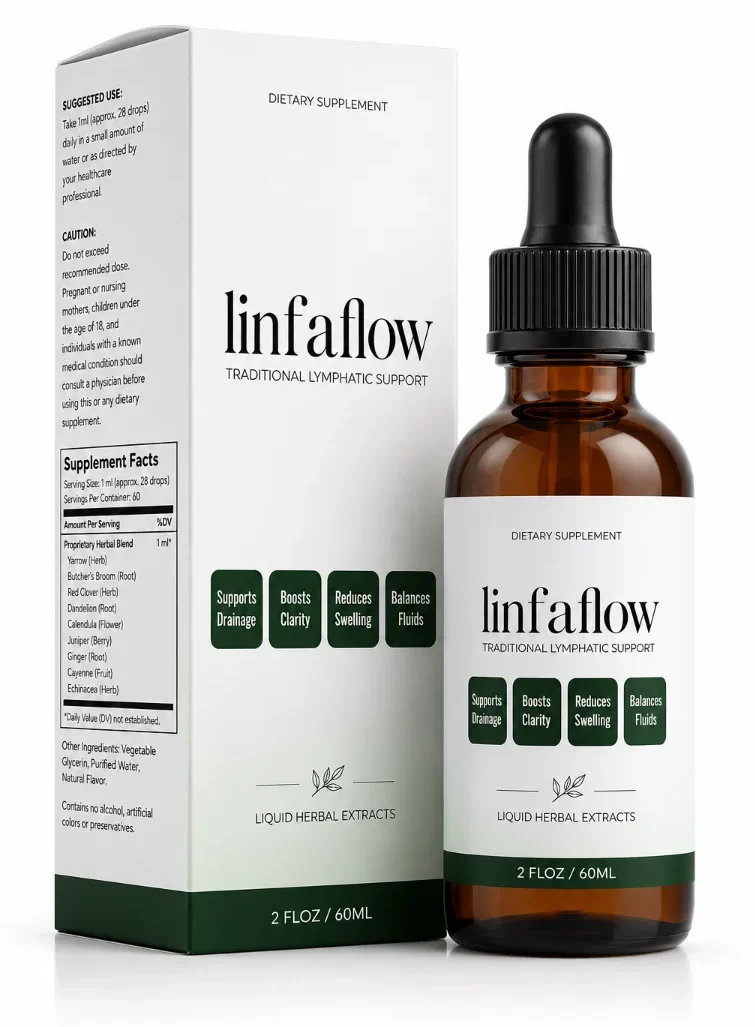
Linfaflow
Linfaflow Complaints: Analyzing Common Criticisms, Refunds, and Real Expectations
Common Linfaflow complaints generally focus on unrealistic marketing expectations, delayed customer support, or dissatisfaction when a supplement fails to resolve underlying fluid retention. This article is educational and not medical advice. A supplement is not a treatment, diagnosis or medicine. Investigating complaints helps shoppers distinguish legitimate customer service or digestive tolerance concerns from exaggerated online advertising claims before purchasing.
*Affiliate Disclosure: This post contains affiliate links. If you purchase through our links, we may earn a commission at no additional cost to you. We prioritize transparent, balanced, and evidence-informed health reporting.*
When exploring botanical supplements intended for leg comfort and fluid balance, conducting thorough due diligence is essential. Searching for Linfaflow complaints often brings up a wide range of user experiences—from customer service frustrations and refund inquiries to disappointment over unmet expectations.
Navigating dietary supplement reviews requires separating genuine product issues from exaggerated marketing promises. This article is educational and not medical advice. Furthermore, a supplement is not a treatment, diagnosis or medicine. Leg heaviness, swelling, and fluid accumulation can stem from various underlying circulatory, lymphatic, or systemic factors that require professional medical evaluation rather than over-the-counter remedies.
In this guide, we review the most frequent complaints associated with Linfaflow, explain why exaggerated marketing claims lead to buyer dissatisfaction, outline safe purchasing channels, and highlight critical red flags that demand prompt clinical care.
Understanding Linfaflow Complaints and Online Feedback
Consumer reviews for wellness supplements often fall into distinct categories. When reviewing feedback regarding Linfaflow, complaints generally center on three main themes: unrealistic results, customer service hurdles, and minor physiological sensitivities.
- Expectations Versus Reality: A primary source of consumer frustration comes from expecting instant or total relief from chronic leg symptoms. When buyers expect a natural capsule to support comfort around fluid retention overnight, dissatisfaction is almost inevitable.
- Billing and Return Difficulties: Purchasing through unauthorized third-party marketplaces or falling into confusing recurring subscription models often leads to billing disputes and refund delays.
- Digestive Sensitivities: Some users report mild stomach upset, nausea, or digestive changes after starting the herbal blend, which prompts negative feedback.
To understand the full formulation profile and intended use, read our detailed Linfaflow review for a complete breakdown of its botanical ingredients and realistic wellness roles.
Marketing Claims vs. Clinical Realities in Leg Wellness
Aggressive online marketing can sometimes create unrealistic expectations. Some promotional materials across the wellness industry imply that dietary botanicals can resolve vascular dysfunction or rapidly change fluid accumulation. It is vital to set firm boundaries:
1. No disease-treatment role: Linfaflow and similar dietary supplements are not intended for diagnosis, medical treatment, prevention, reversal, or disease resolution of lymphedema, lipedema, deep vein thrombosis (DVT), systemic edema, or any medical condition.
2. Adjunctive Support Only: Quality supplements are designed solely to offer supportive micronutrients and plant bioflavonoids that may help maintain general vascular and capillary integrity as part of a comprehensive lifestyle strategy.
3. The Role of Underlying Pathology: Conditions like chronic venous insufficiency (CVI) or lymphatic blockages involve structural vascular changes and fluid dynamics that cannot be fixed by oral botanical capsules alone.
When consumers realize that a supplement cannot replace clinical therapies—such as medical compression garments, manual lymphatic drainage, physical therapy, or physician-guided medications—complaints regarding "ineffectiveness" are put into proper perspective.
Navigating Refund Policies, Subscriptions, and Safe Ordering
A notable portion of complaints regarding dietary supplements stems from purchasing logistics rather than the product itself. Buyers often run into counterfeit products, expired batches, or unauthorized auto-ship programs when buying from unverified third parties.
- Avoid Unauthorized Third Parties: Purchasing through unverified online storefronts or secondary auction platforms can void the manufacturer's money-back guarantee and increases the risk of receiving compromised product.
- Understand Return Windows: Most legitimate manufacturers offer a 30- to 60-day satisfaction guarantee, but the policy often requires returning empty or unused bottles within a strict timeframe at the customer's expense.
- Check Auto-Ship Terms: Always review the checkout page carefully to verify whether you are making a one-time purchase or enrolling in a recurring monthly subscription.
To ensure you are protected by official return policies and authentic stock, refer to our guide on where to buy Linfaflow safely. For a full overview of our editorial and medical boundaries, consult our medical disclaimer.
Side Effects and Digestive Tolerance Concerns
Another common topic in customer complaints involves gastrointestinal tolerance. While plant-based extracts such as horse chestnut, butcher's broom, or citrus bioflavonoids are commonly tolerated, some individuals experience adverse reactions.
- Gastrointestinal Upset: Nausea, mild cramping, loose stools, or acid reflux can occur, especially if capsules are taken on an empty stomach.
- Allergic Reactions: Sensitivity to specific herbal extracts can manifest as skin itching, mild hives, or general malaise.
- Medication Interactions: Certain herbal compounds can interact with blood thinners, diuretics, or blood pressure medications, potentially causing unwanted physiological effects.
Before adding any new botanical to your daily regimen, review our comprehensive analysis of Linfaflow side effects and speak with a qualified physician or pharmacist.
When Leg Symptoms Require Urgent Medical Attention
Many consumers turn to supplements when experiencing swelling, heaviness, or discomfort in the lower extremities. However, leg swelling can indicate severe medical conditions that require immediate diagnostic evaluation rather than nutritional supplementation.
According to medical authorities such as the Mayo Clinic and Cleveland Clinic, edema can be a sign of congestive heart failure, kidney disease, liver dysfunction, or acute venous blood clots. You must seek urgent medical evaluation if you experience any of the following red flags:
- Sudden or Rapid Swelling: Edema that develops rapidly over hours or a few days.
- One-Sided Swelling: Swelling confined to only one leg, calf, or ankle, which can be an indicator of deep vein thrombosis (DVT).
- Localized Pain, Redness, or Warmth: A calf or leg that is hot to the touch, noticeably red, or exquisitely tender.
- Systemic Warning Signs: Any swelling accompanied by shortness of breath, difficulty breathing, chest pain, dizziness, or confusion.
Never attempt to manage acute or severe symptoms with over-the-counter supplements. Always prioritize professional medical care for any sudden or asymmetric lower-body changes.
Practical Takeaways for Informed Consumers
Investigating complaints is a smart step in any consumer wellness journey. To protect your health, your wallet, and your expectations, keep these key principles in mind:
- Maintain Realistic Expectations: Remember that nutritional supplements are optional adjuncts designed to support normal wellness, not medical interventions for diagnosed vascular or lymphatic diseases.
- Prioritize Foundational Leg Care: Effective leg wellness relies on proven lifestyle measures, including regular low-impact movement (walking, swimming), leg elevation, graduated compression stockings (when prescribed), adequate hydration, and balanced sodium intake.
- Consult Your Healthcare Team: Always disclose all supplements to your primary care provider or vascular specialist, especially if you manage cardiovascular or renal conditions.
Lipedema evaluation and diagnosis are clinical decisions that belong with a clinician or healthcare professional.
Considering Linfaflow?
Affiliate disclosure: we may earn a commission if you buy through this link, at no extra cost to you. Linfaflow is a supplement, not a treatment or medicine.
These statements have not been evaluated by the Food and Drug Administration. This product is not intended to diagnose, treat, cure, or prevent any disease.
Check Today's Official PricingFAQ
Why do people complain about Linfaflow?
Most complaints stem from unrealistic expectations fueled by aggressive marketing, delays in processing refunds, billing misunderstandings with auto-ship programs, or mild digestive discomfort.
Can Linfaflow eliminate leg edema?
No. Linfaflow is a dietary supplement and is not formulated or approved for diagnosis, medical treatment, prevention, reversal, or disease resolution of edema, lipedema, lymphedema, or any vascular condition.
How can I avoid refund and customer service issues with Linfaflow?
To protect your purchase, only order directly from the verified official manufacturer website, read the return policy terms thoroughly, and ensure you are not accidentally enrolled in an unwanted recurring subscription.
What should I do if I experience sudden swelling in one leg?
Sudden or one-sided swelling, especially when accompanied by pain, redness, or warmth, is a medical emergency that could indicate a blood clot (DVT). Seek emergency medical attention immediately.