Linfaflow
Linfaflow for Swollen Ankles: What You Need to Know First
Swollen ankles often stem from prolonged standing, heat, venous insufficiency, or underlying medical conditions. While supplements like Linfaflow offer optional nutritional support for circulatory wellness, they are not treatments for fluid retention or swelling. Always consult a healthcare provider to diagnose the root cause of swollen ankles before starting any new supplement routine.
Before diving into leg care strategies and nutritional options, a fundamental disclaimer is necessary: This article is educational and not medical advice. The editorial team at Healthy Legs Daily is committed to bringing you clear, well-researched information about leg comfort, but this content cannot replace individualized medical care from a qualified practitioner. Additionally, some links on our site are affiliate links; if you make a purchase through them, we may receive a small commission at no additional cost to you. Please read our full affiliate disclosure for complete transparency.
Swollen ankles are a frequent concern for adults of all ages. Whether you spend long hours sitting at a desk, standing on hard retail floors, or traveling long distances, lower leg puffiness can cause discomfort and concern. When seeking relief, many individuals turn to online research to understand what causes fluid buildup and whether dietary options like Linfaflow can play a supporting role. In this comprehensive guide, we unpack the mechanics of lower leg fluid dynamics, critical medical red flags, conservative self-care routines, and how nutritional supplements should—and should not—be used.
Understanding Why Ankles Swell
To understand why fluid accumulates in the ankles and feet, it helps to understand how lower extremity circulation works. Your cardiovascular system pumps oxygenated blood down to your legs through arteries, while your venous system and lymphatic network carry fluid and metabolic waste back up toward your heart. Working against gravity is a continuous physical challenge for these vessels, relying heavily on small one-way valves inside the veins and the natural pumping motion of your calf muscles.
When you sit or stand still for extended periods, the calf muscle pump remains inactive. Gravity causes fluid to pool in the lowest points of the body, primarily the feet, ankles, and lower calves. Warm weather can exacerbate this process by causing cutaneous blood vessels to dilate (expand), allowing microscopic amounts of fluid to leak into surrounding soft tissues.
Many people observe that their lower leg fullness peaks late in the day. If you notice that your swelling is particularly prominent before going to bed, explore our comprehensive guide on swollen ankles at night to learn about overnight elevation techniques and evening leg routines.
However, simple gravity and heat are not the only reasons ankles swell. Chronic fluid retention, medically referred to as edema, can stem from underlying medical conditions including chronic venous insufficiency (CVI), microvascular damage, sluggish lymphatic flow, liver dysfunction, kidney disease, or heart failure. Certain prescription medications—such as calcium channel blockers for high blood pressure, nonsteroidal anti-inflammatory drugs (NSAIDs), or corticosteroids—can also trigger fluid buildup in the lower legs. Identifying the true root cause of your ankle swelling requires a thorough evaluation by a physician.
Crucial Red Flags: When to Seek Immediate Medical Care
While mild swelling after a long flight or busy workday is often harmless, lower extremity fluid retention can sometimes signal a medical emergency. You must never attempt to self-treat or ignore sudden or severe changes in your legs. It is critical to seek immediate medical attention if you experience any of the following warning signs:
- Sudden swelling: Unexplained fluid accumulation that appears rapidly over a few hours or within a single day.
- One-sided swelling: Asymmetrical swelling occurring in only one leg, ankle, or foot, which can be a key sign of deep vein thrombosis (DVT)—a dangerous blood clot in the deep veins.
- Signs of localized infection or inflammation: Significant leg pain, visible skin redness, warmth to the touch, or skin tenderness, which may indicate cellulitis or acute vascular inflammation.
- Systemic or respiratory distress: Any lower leg swelling accompanied by chest pain, shortness of breath, sudden lightheadedness, or breathing difficulty. These symptoms require emergency medical services (call 911 or visit the nearest emergency room immediately).
If any of these red flags apply to you, set aside home remedies and consult a healthcare professional without delay. Early diagnosis and intervention are critical for managing serious vascular or systemic health conditions safely.
What Is Linfaflow and How Does It Fit In?
When researching options for supporting leg comfort, consumers frequently come across dietary supplements such as Linfaflow. However, it is essential to understand the distinction between medical treatments and dietary support products. A supplement is not a treatment, diagnosis or medicine.
We maintain strict medical boundaries regarding supplement claims. To be entirely clear: Linfaflow and other over-the-counter dietary supplements do not fix, reverse, prevent, or remove medical conditions such as lipedema, lymphedema, clinical edema, swelling, or fluid retention. Claiming that a supplement can resolve or resolve structural vascular conditions or medical fluid buildup is scientifically inaccurate and non-compliant with health guidelines.
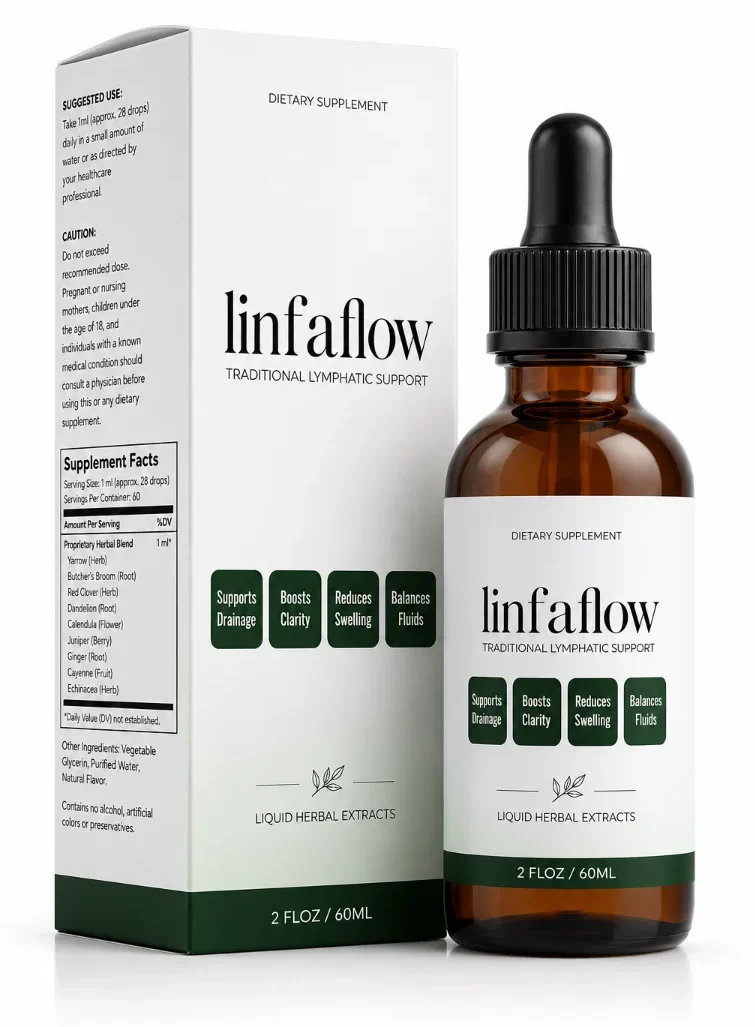
So, what purpose does Linfaflow serve? Linfaflow is formulated as an optional dietary supplement intended to offer complementary botanical and antioxidant support for general microcirculatory health and vascular tissue wellness. If you want to review the full details of its formula, ingredients, and usage instructions, you can visit our main Linfaflow page or read our in-depth Linfaflow review. Dietary supplements should always be viewed as secondary tools that support overall cellular nutrition, working alongside healthy daily habits and direct medical oversight.
Key Botanical Ingredients and Nutritional Support
Dietary formulations aimed at vascular health commonly feature plant-derived flavonoids, polyphenols, and herbal extracts. These natural compounds are included for their roles in maintaining capillary resilience and supporting normal connective tissue integrity:
- Plant Bioflavonoids: Antioxidant compounds that help protect blood vessel walls from free radical damage and oxidative stress associated with daily physical strain.
- Herbal Extracts: Plant-based nutrients traditionally used to encourage healthy microvascular tone and support normal lymphatic function.
- Targeted Micronutrients: Specific vitamins or minerals selected to aid cellular fluid balance and maintain healthy tissue environment in the lower limbs.
While these ingredients can complement a nutrient-dense diet, they do not possess pharmaceutical properties and cannot treat underlying disease mechanisms.
Practical Lifestyle Strategies for Lower Leg Comfort
For most individuals dealing with mild, non-emergency ankle puffiness, daily lifestyle habits form the foundation of lower leg wellness. Incorporating consistent physical practices can help your vascular system manage daily gravitational pressures more effectively:
- Stay Active Throughout the Day: Avoid remaining motionless in a seated or standing position for more than an hour at a time. Take brief walking breaks, perform heel-to-toe rolls, or do seated calf flexes to activate your muscle pump.
- Elevate Your Lower Legs: Whenever resting, elevate your feet on cushions or pillows so they are positioned at or above heart level. Doing this for 15 to 20 minutes two to three times daily encourages gravitational drainage of fluid out of the lower extremities.
- Consider Compression Garments: Graduated compression socks apply gentle, continuous pressure from the ankle upward, preventing fluid from pooling in soft tissues. Speak with your healthcare provider to determine the appropriate compression level for your needs.
- Manage Sodium Intake and Hydration: Excessive dietary sodium causes your body to hold onto water, increasing fluid pressure in tissues. Reduce processed food intake, cook with fresh ingredients, and drink plenty of fresh water to encourage proper fluid balance.
- Optional Supplementation: If you wish to incorporate nutritional support alongside these physical strategies, an option like Linfaflow can be discussed with your physician to ensure it fits safely into your routine.
Working with Your Healthcare Provider
Navigating leg wellness effectively requires transparent communication with your healthcare team. Before introducing Linfaflow or any other botanical supplement to your daily regimen, schedule a consultation with your doctor. This step is particularly vital if you are pregnant, nursing, taking blood pressure medication, or taking prescription blood thinners, as herbal bioflavonoids can interact with standard pharmaceutical treatments. By pairing proper medical supervision, proactive daily habits, and optional nutritional choices, you can support your leg comfort safely and responsibly over the long term.
Considering Linfaflow?
Affiliate disclosure: we may earn a commission if you buy through this link, at no extra cost to you. Linfaflow is a supplement, not a treatment or medicine.
These statements have not been evaluated by the Food and Drug Administration. This product is not intended to diagnose, treat, cure, or prevent any disease.
Check Today's Official PricingFAQ
Is Linfaflow a medical treatment for swollen ankles or edema?
No. A supplement is not a treatment, diagnosis or medicine. Linfaflow does not fix, reverse, prevent, or remove edema, swelling, or fluid retention. It is strictly an optional dietary supplement formulated to provide general nutritional support for circulatory wellness.
When should I see a doctor about ankle swelling?
You should seek medical advice promptly if your ankle swelling is persistent, unexplained, or accompanied by red flags such as sudden onset, one-sided swelling, localized pain, skin redness, warmth, chest pain, or shortness of breath.
Can lifestyle changes reduce daily leg swelling?
Yes. Lifestyle habits such as taking frequent walking breaks, elevating your legs above heart level, wearing graduated compression socks, reducing dietary sodium, and staying hydrated can significantly assist natural circulation and fluid balance in your legs.