Linfaflow
Linfaflow for Water Retention: Is It Helpful Support or Just Hype?
Linfaflow is a dietary supplement positioned for lower-leg comfort and everyday fluid-balance support. However, it is not a medical treatment. Linfaflow should not be used as a fix for fluid retention, edema, or medical swelling. Anyone experiencing persistent or unexplained fluid buildup should consult a healthcare provider for a thorough medical evaluation.
*Affiliate Disclosure: Healthy Legs Daily is an educational resource. When you purchase products through links on our site, we may earn an affiliate commission at no extra cost to you. We evaluate wellness products with an evidence-informed, cautious approach.*
*Important Notice: This article is educational and not medical advice. A supplement is not a treatment, diagnosis or medicine. Consult your physician or licensed specialist before starting any new wellness regimen.*
---
Feeling heavy, tight, or puffy in your lower legs after a long day of standing or sitting is a widespread complaint. When exploring natural options online, you may have encountered botanical supplements marketed for lower-body comfort. One formulation frequently discussed is Linfaflow.
If you are searching for linfaflow for water retention, you might wonder if it provides meaningful support or if it is mostly marketing hype. To understand where this product realistically fits, we must explore what standard fluid buildup entails, what nutritional botanical blends can and cannot accomplish, and when leg changes require professional medical attention.
Understanding Water Retention vs. Medical Swelling
Before evaluating any supplement, it is essential to distinguish between everyday fluid shifts and clinical conditions.
Everyday fluid retention often occurs after long periods of immobility, during warm weather, or following high-sodium meals. In these scenarios, gravity and temporary circulatory sluggishness can make socks leave deeper impressions or make your calves feel full.
However, clinical swelling, known medically as edema, is an accumulation of excess fluid trapped in the body's tissues. Mayo Clinic notes that edema can stem from mild lifestyle factors, but it can also be associated with more serious medical conditions. Cleveland Clinic similarly explains that persistent swelling should be evaluated so the underlying cause is understood.
To learn more about the distinction between temporary heaviness and chronic fluid issues, read our detailed guide on water retention vs swelling.
What Is Linfaflow and How Is It Positioned?
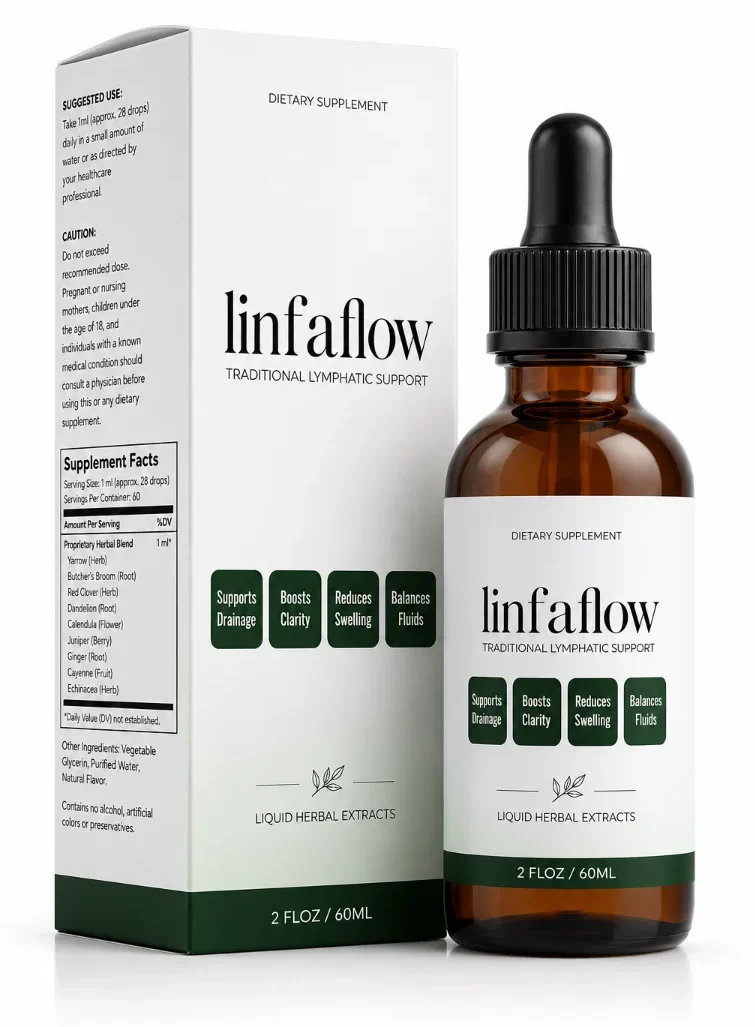
Linfaflow is positioned as an over-the-counter dietary supplement focused on lower-leg wellness, general circulation-support language, and everyday comfort. You can read our broader overview of the product on our Linfaflow review page.
Unlike pharmaceutical diuretics (water pills) prescribed by doctors to treat clinical edema by forcing the kidneys to excrete sodium and water, Linfaflow is a nutritional botanical blend. It is not designed to rapidly alter renal fluid excretion or act as a medical intervention.
The Botanical Angle: Ingredients and Daily Comfort
To evaluate Linfaflow responsibly, start with the current Supplement Facts panel, official product page, dosage instructions, and safety notes. Avoid relying on screenshots, resale listings, or social posts as proof of the current formula.
- Label first: Confirm the current ingredients and serving size before buying or comparing claims.
- Medication check: Ask a clinician or pharmacist before combining any supplement with blood thinners, blood pressure medication, diuretics, or chronic-condition care.
- Expectation check: Supplement ingredients may support normal wellness routines, but they do not diagnose, treat, or manage swelling conditions.
- Source check: Prefer official buying pages and clear refund terms over anonymous coupon pages or marketplace listings.
For a complete label-focused walkthrough, visit our review of Linfaflow ingredients.
Linfaflow for Water Retention: Helpful Support or Hype?
Is Linfaflow worth considering, or is it merely hype? The answer depends entirely on your expectations.
Where It May Be Helpful
For healthy individuals whose legs feel mildly tired, tight, or fatigued after sitting at a desk or standing for long periods, Linfaflow may be considered as an optional supplement within a broader leg-care routine. That routine should still be built around movement, hydration, appropriate compression guidance, and medical evaluation when symptoms are persistent or concerning.
Where the "Hype" Must Be Checked
Where supplement claims cross into hype is when products are framed as resolve or fixes for fluid accumulation. It is critical to establish strict boundaries:
- Linfaflow does not fix edema or medical swelling.
- Linfaflow does not manage underlying lymphatic conditions such as lymphedema.
- Linfaflow does not address lipedema or metabolize localized adipose tissue.
- Linfaflow is not a replacement for prescription diuretics or medical therapies prescribed by a physician.
Treating a dietary supplement as a primary solution for fluid retention can delay proper medical care, which is particularly hazardous if swelling arises from internal organ dysfunction or vascular disease.
Foundation First: Evidence-Based Habits for Leg Fluid Balance
Supplements should only ever be an optional, secondary layer. The true foundation of managing daily fluid shifts in the lower limbs relies on evidence-backed lifestyle habits:
1. Consistent Movement and Muscle Activation: The calf muscles act as a natural pump, squeezing deep veins to propel fluid upward against gravity. Regular walking, ankle rotations, and calf raises throughout the day significantly prevent fluid from pooling.
2. Strategic Elevation: Elevating your legs above the level of your heart for 15 to 20 minutes in the evening helps utilize gravity to assist lymphatic and venous return.
3. Graduated Compression Therapy: Well-fitted compression socks apply gentle, graduated pressure from the ankle upward, preventing fluid from leaking into surrounding tissue spaces.
4. Nutritional Adjustments: Moderating sodium intake helps prevent excess fluid retention, while maintaining consistent daily water hydration encourages balanced electrolyte regulation.
Red Flags: When to Seek Immediate Medical Care
Because swelling can signal severe cardiovascular, renal, or vascular emergencies, self-treating without a clear medical diagnosis is unsafe. Seek prompt medical care or emergency services if you experience any of the following:
- Sudden swelling that appears rapidly without an obvious explanation.
- One-sided swelling affecting only one leg, ankle, or foot.
- Pain, tenderness, redness, or warmth in the calf or thigh (potential signs of deep vein thrombosis).
- Chest pain, pressure, or shortness of breath accompanying any lower-limb swelling.
- Skin changes, such as severe pitting that leaves deep indentations, shiny stretched skin, or open ulcers.
For additional safety details, please review our medical disclaimer.
The Bottom Line
Linfaflow may fit as optional supplement support for everyday leg-comfort routines. However, it is not a magic fix for water retention or a treatment for edema.
If you choose to explore Linfaflow, do so with realistic expectations as part of a holistic routine centered around movement, hydration, and elevation—and always with the prior approval of your healthcare provider.
Lipedema evaluation and diagnosis are clinical decisions that belong with a clinician or healthcare professional.
Considering Linfaflow?
Affiliate disclosure: we may earn a commission if you buy through this link, at no extra cost to you. Linfaflow is a supplement, not a treatment or medicine.
These statements have not been evaluated by the Food and Drug Administration. This product is not intended to diagnose, treat, cure, or prevent any disease.
Check Today's Official PricingFAQ
Can Linfaflow fix fluid retention in the legs?
No. Linfaflow is a dietary supplement and is not formulated or approved to fix fluid retention, edema, or any circulatory disease.
Is Linfaflow a substitute for prescription water pills (diuretics)?
No. Linfaflow is not a pharmaceutical diuretic. You should never stop or replace prescribed medical treatments with a botanical supplement without consulting your doctor.
How long does it take for botanical leg supplements to work?
Nutritional and botanical supplements generally require consistent use over several weeks to offer mild vascular tone support, but individual responses vary and supplements are not rapid-acting medical interventions.
When should leg swelling be evaluated by a doctor?
You should seek medical care immediately if you notice sudden swelling, one-sided swelling, calf pain, redness, localized warmth, chest pain, or shortness of breath.