Comparison
Linfaflow vs Compression Socks: Understanding the Key Differences
Linfaflow and compression socks serve fundamentally different roles in lower limb wellness. Compression garments provide physical, graduated external pressure to help veins and lymphatic vessels move fluid upward. Linfaflow is an optional dietary supplement that provides herbal nutrients. Neither option resolve or reverses medical conditions like edema, and neither replaces professional clinical diagnosis or prescribed medical therapy.
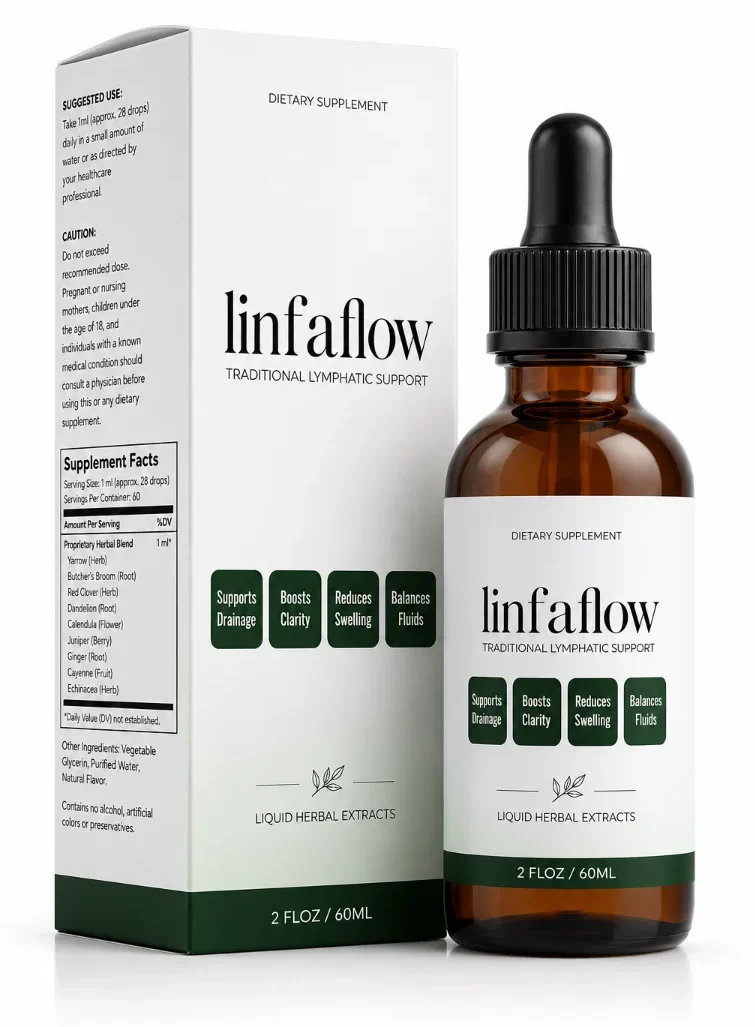
When navigating feelings of leg heaviness, fullness, or fluid accumulation, it is natural to explore different tools to help maintain everyday comfort. Among the options frequently encountered are compression garments and oral botanical supplements. Understanding how these approaches differ is critical for establishing realistic expectations and protecting your health.
*Affiliate Disclosure: Healthy Legs Daily provides honest reviews and educational materials. Some links on this page are affiliate links, meaning we may earn a small commission at no additional cost to you if you choose to make a purchase.*
*Important Notice: This article is educational and not medical advice. A supplement is not a treatment, diagnosis or medicine.*
---
Understanding Compression Socks: Mechanical Support for Fluid Balance
Compression socks and stockings are external physical garments engineered to apply graduated pressure to the lower extremities. The tightest pressure is concentrated at the ankle and gradually decreases as the garment moves up the calf and thigh.
The Mechanism of Action
The human circulatory and lymphatic systems must work against gravity to pump fluids from the feet back toward the central circulatory system. Compression socks exert sustained mechanical resistance against the skin and superficial tissue. This physical pressure accomplishes several physiological actions:
- Reduces vein diameter: By gently compressing veins, the garment increases the velocity of venous blood flow.
- Supports valvular function: Veins rely on tiny internal one-way valves. When vessels become dilated, these valves may fail to close properly; compression brings vessel walls closer together so the valves can function more effectively.
- Increases interstitial tissue pressure: Applying external force prevents excessive fluid from migrating from capillaries into the surrounding interstitial tissue.
The Clinical Role of Compression
Unlike over-the-counter wellness products, medical-grade compression is an established, evidence-based standard of care for several chronic vascular and lymphatic conditions. According to the [NHS guidelines on lymphoedema treatment](https://www.nhs.uk/conditions/lymphoedema/treatment/), decongestive lymphatic therapy—which centers heavily on specialized compression bandaging and garments—can help control symptoms, although it is not a resolve.
Compression socks come in various strengths, measured in millimeters of mercury (mmHg):
1. Mild compression (under 15 mmHg): Often sold over the counter for travel, sports recovery, or mild fatigue from prolonged standing.
2. Moderate compression (15–20 mmHg): Readily available for general daily support, minor swelling, or minor spider veins.
3. Firm to extra-firm medical compression (20–30+ mmHg): Typically fitted and prescribed by medical specialists to manage clinical venous insufficiency, postural hypotension, or lymphedema.
While highly effective for symptom management, compression socks do not alter systemic biochemistry or reverse underlying disease pathways. They are a physical management tool requiring regular wear, correct sizing, and proper application technique.
---
What Is Linfaflow? An Oral Dietary Option
In contrast to mechanical garments, Linfaflow is an oral dietary supplement formulated with herbal extracts, bioflavonoids, and micronutrients intended to support general dietary wellness. For a detailed breakdown of its ingredients and formulation profile, you can read our comprehensive Linfaflow review.
How Dietary Supplements Function
Supplements work internally by delivering nutrients through the digestive tract into the bloodstream. In leg wellness formulas, ingredients are generally selected for their traditional use or preliminary nutritional data related to:
- Supporting normal vascular integrity and capillary resilience.
- Providing dietary antioxidants to combat oxidative stress in vascular tissues.
- Offering mild botanical fluid balance support through natural nutrient cofactors.
Essential Medical Boundaries
It is vital to maintain strict clarity about what oral nutritional products can and cannot do. Neither Linfaflow nor any other dietary supplement fixes, reverses, prevents, or removes lipedema, lymphedema, edema, swelling, or fluid retention. A supplement is not a pharmaceutical drug and cannot repair structural venous valve failure, drain large fluid accumulations, or resolve mechanical lymphatic obstructions.
Supplements may serve as optional, complementary dietary support for individuals seeking general nutritional support alongside healthy habits, but they must never be substituted for clinical evaluation, prescribed therapies, or lifestyle modifications recommended by your physician.
---
Direct Comparison: How They Differ in Function and Intent
To better understand how these two categories compare, it helps to examine their respective mechanisms, limitations, and practical uses. For an extended analysis of this topic, explore our article on compression socks vs supplements.
| Feature | Compression Socks | Linfaflow (Dietary Supplement) |
| :--- | :--- | :--- |
| Category | Physical / Mechanical garment | Oral nutritional supplement |
| Primary Mechanism | Graduated external pressure on skin and veins | Systemic delivery of botanical nutrients and flavonoids |
| Onset of Action | Immediate mechanical effect while worn | Gradual nutritional support over weeks of consistent intake |
| Clinical Standing | Standard primary therapy in vascular/lymphatic care | Optional dietary support; not a clinical treatment |
| Primary Purpose | Helps manage fluid distribution and assists venous return | Contributes plant-based antioxidants and micronutrients |
| Application | Put on daily; requires physical fit and skin care | Swallowed daily with water as part of a meal routine |
Can They Be Used Together?
Many adults wonder if oral wellness supplements can be taken while wearing compression garments. Because their mechanisms do not overlap physically, some individuals incorporate both under the guidance of a physician. A compression stocking provides the external resistance necessary to support circulation against gravity, while a dietary supplement contributes systemic micronutrients.
However, combining them does not guarantee enhanced results, and taking a supplement does not reduce your need for prescribed compression garments. Always discuss any planned supplement use with your prescribing provider, particularly if you have cardiovascular, renal, or hepatic health conditions.
---
Practical Factors: Comfort, Compliance, and Contraindications
Choosing or combining these tools requires evaluating daily lifestyle realities, as each carries distinct practical considerations.
Challenges with Compression Garments
- Application difficulty: Donning high-compression garments requires significant hand strength and flexibility, which can be challenging for individuals with arthritis or limited mobility.
- Sensory and skin sensitivity: Some users experience heat discomfort, itching, or skin irritation, especially in hot or humid climates.
- Contraindications: Compression is strictly contraindicated in severe peripheral arterial disease (PAD), uncontrolled heart failure, severe peripheral neuropathy, or active, untreated skin infections.
Considerations for Supplements
- Digestive tolerance: Botanical compounds can sometimes cause mild stomach upset or digestive sensitivities.
- Drug interactions: Herbal ingredients (such as citrus bioflavonoids or plant extracts) may interact with prescription medications, including blood thinners, diuretics, and blood pressure therapies.
- Quality variation: Supplements are regulated as foods rather than prescription drugs, making manufacturer quality control and independent testing paramount.
---
When to Seek Medical Care: Recognizing Warning Signs
Fluid accumulation and swelling in the lower limbs are symptoms, not standalone diseases. They can stem from minor lifestyle factors (like sitting at a desk all day) or point toward serious medical conditions involving the heart, kidneys, liver, or deep veins. According to the [Cleveland Clinic's edema overview](https://my.clevelandclinic.org/health/diseases/12564-edema), identifying the root cause of swelling is essential, and any concerning or persistent symptoms warrant formal medical evaluation.
Never attempt to manage unexplained lower-body swelling with over-the-counter garments or dietary supplements alone. Seek immediate emergency medical care if you experience any of the following red flag symptoms:
- Sudden swelling that appears rapidly without an obvious cause.
- One-sided swelling affecting only one leg or foot.
- Pain, redness, or warmth in the calf or thigh, which can indicate deep vein thrombosis (DVT).
- Chest pain or shortness of breath, which can signal that a blood clot has traveled to the lungs (pulmonary embolism).
- Skin changes, such as severe tightness, ulceration, weeping fluid, or localized blistering.
Before initiating any new supplement regimen or purchasing high-pressure compression therapy, review your symptoms with a qualified healthcare provider. You can read our complete medical disclaimer for further information on our editorial and educational boundaries.
Considering Linfaflow?
Affiliate disclosure: we may earn a commission if you buy through this link, at no extra cost to you. Linfaflow is a supplement, not a treatment or medicine.
These statements have not been evaluated by the Food and Drug Administration. This product is not intended to diagnose, treat, cure, or prevent any disease.
Check Today's Official PricingFAQ
Can Linfaflow replace my compression socks?
No. Linfaflow is a dietary supplement and cannot replace the physical, graduated pressure provided by compression socks. It is not an alternative to prescribed medical garments or therapies.
Do compression socks resolve edema or lymphedema?
No. While compression garments are an evidence-based standard for managing symptoms and keeping fluid moving, clinical authorities like the NHS emphasize that they do not resolve chronic underlying conditions.
Can I wear compression socks and take a dietary supplement at the same time?
Some people do combine compression socks with nutritional supplements under medical supervision. However, you should always consult your physician first to verify there are no drug interactions or medical contraindications.
What should I do if only one leg is swollen?
One-sided swelling, especially if accompanied by pain, redness, or warmth, is a potential medical emergency that may indicate a blood clot (deep vein thrombosis). You should seek immediate professional medical attention.